


Within today’s highly developed electronics industry, PCBA (Printed Circuit Board Assembly) stands as a core technology, having found widespread application throughout the manufacturing processes of numerous electronic products.
1、What is PCBA?
PCBA, or Printed Circuit Board Assembly, refers to the process of securing and soldering electronic components onto a printed circuit board (PCB) using methods such as Surface Mount Technology (SMT) or Through-Hole Technology (THT), thereby forming an electronic device with specific functionality. Simply put, PCBA constitutes an electronic module with various components mounted onto a printed circuit board.
2、Characteristics of PCBA
High Integration and Precision
With the rapid advancement of electronic technology, electronic products increasingly prioritise compactness, lightness, and powerful functionality. Consequently, PCBA must achieve exceptionally high integration and precision to meet modern demands for size, weight, and performance. Through advanced manufacturing processes, the layout of electronic components on PCBA becomes increasingly dense, enabling highly integrated designs.
Systematic and Integrated Design
PCBA integrates diverse electronic components onto a single printed circuit board, enabling unified electronic system design. This not only reduces design complexity and shortens development cycles but also enhances the reliability and stability of the entire electronic system. Furthermore, integrated design facilitates cost reduction and improved production efficiency, granting a competitive edge in the market.
Customisability
PCBA offers exceptional customisability, enabling the design of printed circuit board assembly solutions tailored to specific functional requirements across diverse electronic products. Whether for consumer electronics—such as mobile phones, tablets, and smart wearables—or industrial electronics—including instrumentation, medical devices, and communication equipment—PCBA meets customisation demands across all sectors.
Environmental Sustainability
Environmental protection has become a critical global concern, and PCBA manufacturing prioritises sustainability. Through the adoption of eco-friendly technologies—such as lead-free solder and halogen-free solder mask materials—alongside the recycling of end-of-life electronic products, the PCBA production process minimises environmental impact. Numerous countries and regions have enacted regulations mandating the use of environmentally conscious materials and processes by electronics manufacturers, thereby elevating industry-wide sustainability standards.
High Reliability and Stability
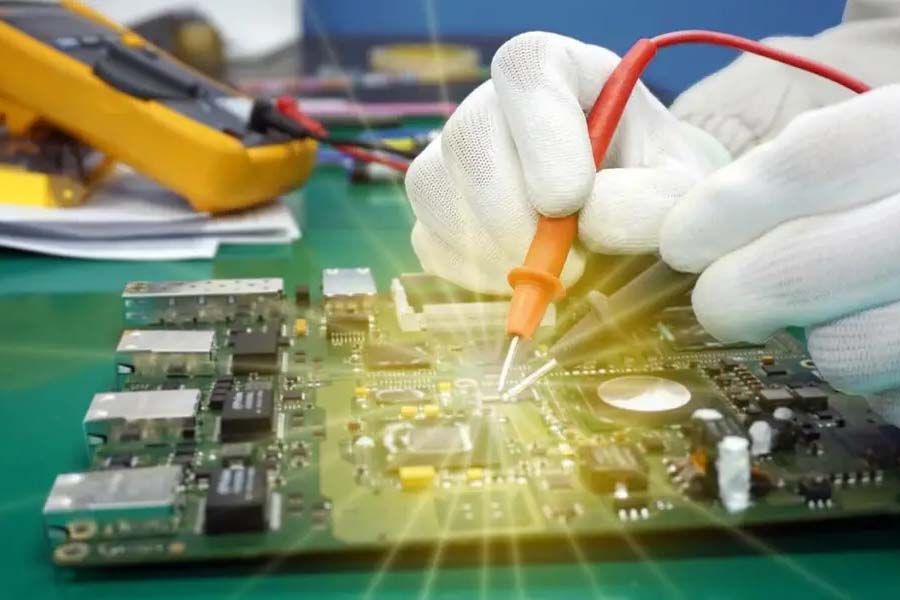
During PCBA manufacturing, stringent quality management systems, advanced testing equipment, and meticulous process control ensure the quality and performance of electronic components. Following component assembly, PCBA undergoes rigorous testing and validation to guarantee functionality across diverse operational environments. Consequently, PCBA delivers exceptional reliability and stability within electronic products, thereby extending overall lifespan and enhancing performance.
Ease of Maintenance and Upgrading
PCBA design and manufacturing are fully engineered with maintenance and upgrade requirements in mind. Should any electronic component fail, it can be readily replaced without disrupting the entire electronic system’s operation. Furthermore, as technology evolves, upgrading electronic products can be achieved by replacing or adding new components without altering the entire system’s design.
Rapid Response and Production
Employing advanced manufacturing techniques and automated production lines, PCBA enables the swift completion of large-scale production tasks. This allows PCBA manufacturers to respond promptly to shifting market demands and launch new electronic products in a timely manner. Concurrently, the increasing automation and intelligence within PCBA production processes contribute to reduced manufacturing costs, enhanced production efficiency, and improved product quality.
As a core technology within electronic manufacturing, PCBA possesses distinctive characteristics including high integration and precision, systematisation and unification, customisability, environmental sustainability, high reliability and stability, ease of maintenance and upgrade, alongside rapid response and production capabilities. These attributes confer PCBA with a pivotal role within the modern electronics industry, providing robust support for the research, development, production, and application of diverse electronic products.