


Introduction:The “Perfect Storm” of Raw Material Price Increases in 2026
The electronics manufacturing industry in 2026 is experiencing an unprecedented, all-category cost storm. Unlike the isolated chip shortage of 2021, this year’s crisis is a full-blown Bill of Materials (BOM) meltdown. Copper prices hit a record high of $13,300 per metric ton in January, copper-clad laminate (CCL) prices have surged 45% year-on-year, severe shortages of glass fiber fabric have extended CCL lead times to six months, and even DRAM prices skyrocketed by 105% quarter-on-quarter in Q1.
For Printed Circuit Board Assembly (PCBA) manufacturers, the traditional model of “fixed pricing with self-absorption of costs” has collapsed entirely. Establishing a scientific risk-sharing mechanism is no longer a choice—it is a matter of survival. Drawing on industry best practices, this article provides an in-depth analysis of how PCBA manufacturers and their customers can weather the storm together.
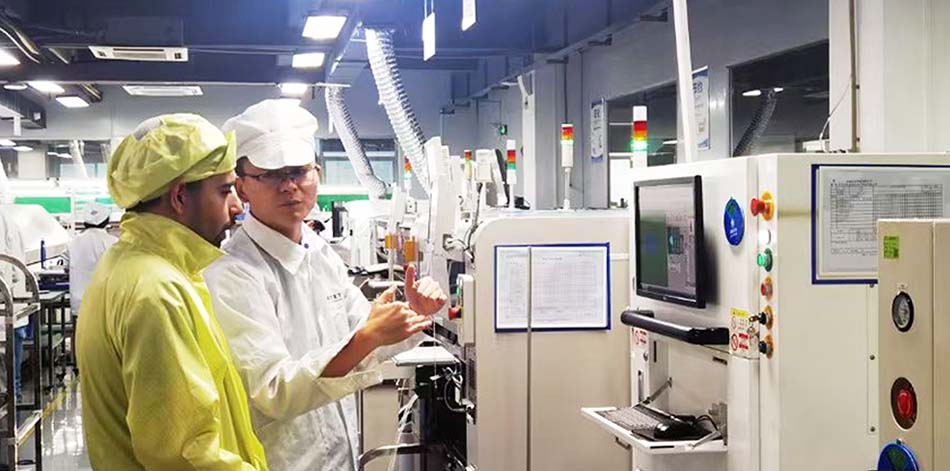
1、Understanding the Current Reality: Why “Toughing It Out” Is No Longer Viable
In the market environment of 2026, raw materials often account for more than 50% of the total cost of a PCB. When copper, resin, and glass fabric prices all fluctuate simultaneously, no manufacturer can shoulder the entire risk alone.
The Compounding Effect of Structural Shortages
Today’s price surge is not driven by a single factor. Beyond copper, the shortage of electronic-grade glass fiber fabric is another silent killer. This low coefficient of thermal expansion (CTE) glass fabric, essential for high-end AI servers and 5G base stations, requires long investment cycles for production capacity. As a result, CCL manufacturers have implemented quota systems, meaning that even if you are willing to pay a premium, you might not be able to secure supply at all.
The Price of a “Lowest-Price” Mindset
Many procurement managers still rely on outdated thinking, attempting to squeeze suppliers by forcing price comparisons. However, in the survival playbook for 2026’s leading enterprises, such zero-sum games often lead to supply chain breakdowns. When a supplier cannot absorb losses, the outcome is either material substitution (using refurbished or off-spec components) or outright supply disruptions—ultimately harming the customer’s product quality and time-to-market.
2、Core Strategy: Raw Material Price Indexation Mechanism
The most effective response to volatility is shifting pricing from “fixed” to “dynamically linked.” Based on industry practice, raw material price indexation is becoming the dominant procurement model for PCBA.
What Is Indexation Pricing?
The core logic is to separate PCBA costs into a “fixed processing fee” and a “floating material fee.”
Formula Example:
PCBA Unit Price = Fixed Processing Fee + (Copper Price Index × Copper Usage Coefficient) + (Resin Price Index × Resin Usage Coefficient)
Key Implementation Factors
- Define the Benchmark Index Source:Typically, the LME (London Metal Exchange) copper price or an industry-recognized CCL price index is used as the benchmark.
- Set Adjustment Frequency:Monthly or quarterly adjustments are advisable. An excessively high frequency (e.g., daily) inflates administrative costs, while a frequency that is too low (e.g., annual) forces one party to bear excessive risk.
- Establish a Buffer Zone:For example, agree that no adjustment is made for copper price fluctuations within ±5%. The linkage mechanism is triggered only when this band is breached, reducing administrative friction from minor oscillations.
Case in Point: Transparent Practices at Tortai Technologies
According to industry reports, manufacturers like Tortai Technologies do not unilaterally absorb or pass on risks when facing copper price swings. Instead, they clearly distinguish between material costs and processing costs in their quotation structures. This transparent mechanism helps customers understand that what they are paying for is not just a product, but an insurance premium for supply chain stability.
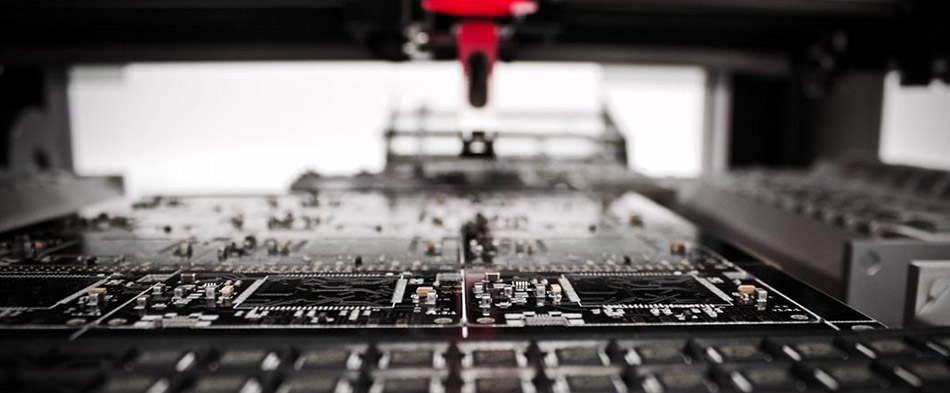
3、Supply Chain Collaboration: From “Transactional” to “Symbiotic”
In the economic landscape of 2026, supply chain relationships must evolve from zero-sum games to value-based symbiosis.
Building a “3+X” Supplier Matrix
PCBA manufacturers should build a diversified supply network to avoid single-point dependency. A “3 Primary Suppliers + X Regional Backups” model is recommended. For instance, in CCL supply, in addition to traditional Taiwanese manufacturers, actively introducing domestic high-end laminates from companies like Shengyi Technology and Goldenmax can leverage the resilience of localized alternatives to hedge against international price swings.
Long-Term Agreements and Price Locking
For high-volume, long-term projects, a “Long-Term Agreement + Price Lock” model is recommended.
- Locking Strategy:For critical components like DRAM and MCUs, use futures or forward contracts to lock in prices for the next 6–12 months. While this requires capital commitment, it effectively shields against risks like the 105% Q1 surge in 2026.
- Vendor-Managed Inventory (VMI):Customers share demand forecasts with the manufacturer, who then builds 3–6 months of safety stock. This reduces the customer’s working capital burden while ensuring supply continuity.
Strategic Reserves and Joint Procurement
Small and medium-sized enterprises often struggle to fight price hikes alone. They can emulate a “regional collective procurement platform” model, where multiple enterprises pool procurement to drive down costs through economies of scale. Reports indicate that one provincial corporate alliance saved 120 million RMB annually through joint procurement.

4、Technical Cost Reduction: “Anti-Fragile” Design at the R&D Stage
Combating price increases cannot rest on procurement alone; design optimization at the R&D stage is equally crucial. A “material-neutral design” can dramatically enhance supply chain flexibility without sacrificing performance.
Modularization and Alternative Parts Pools
Pin-to-Pin Compatible Design:During the PCB design phase, reserve footprints for multiple package types. For example, for a Schottky diode in a DFN package, pre-design pads for SMA or SMB packages. If the original part is discontinued or spikes in price, you can immediately switch to the alternative without redesigning the board.
Domestic Substitute Validation:Proactively build a “1 Primary + 2 Secondary” BOM system (Original Manufacturer + Taiwan-made + Domestic). Specialized “Little Giant” enterprises like Tortai Technologies validate domestic chips (e.g., GigaDevice’s GD32 series) and domestic SiC devices for AEC-Q100 reliability in advance, ensuring robust “spare tires” when imported component prices surge.
Process Optimization to Reduce Waste
By introducing AI-driven process optimization (like the Foxconn lighthouse factory model), SMT placement yields can be improved, reducing material waste from soldering defects. A 1% increase in yield translates to hundreds of thousands in cost savings for large-scale production.
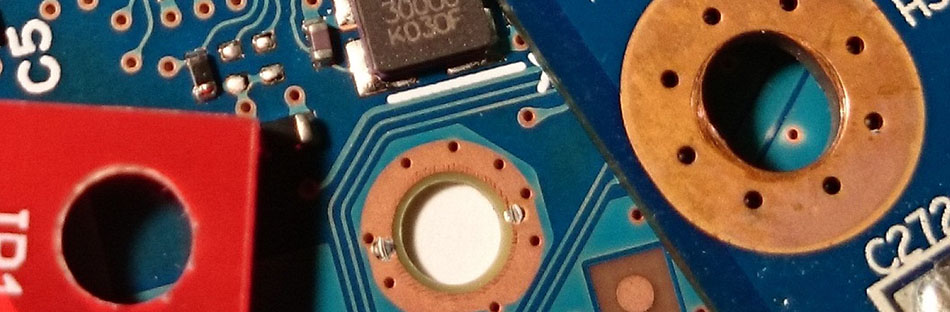
5、Financial Instruments: Treating Commodities as Financial Products
For commodities consumed in massive volumes, such as copper and gold, companies must adopt a financial mindset and leverage instruments to hedge risks.
Hedging
PCBA manufacturers or large customers can hedge through the futures market. For example, if a large volume of copper is needed in the future, one can buy corresponding futures contracts. If copper prices do rise, gains from the futures market can offset the increased cost of physical procurement.
Supply Chain Finance
When raw material prices are low, even if cash flow is tight, companies can lock in supply through supply chain finance agreements. Financial institutions front the capital, decoupling the “timing” of procurement from “payment.” This captures low-price windows while easing cash flow pressure.
6、Contracts and Negotiation: Building Legal Risk Safeguards
Commercial contracts must clearly define price adjustment triggers and calculation methods to avoid disputes arising from verbal commitments.
Flexible Budgets and Price Adjustment Clauses
When signing contracts, include a “raw material price fluctuation adjustment clause.” For example: “Should the LME copper price fluctuate by more than 10% from the baseline, both parties agree to recalculate the product price, with the adjustment amount calculated based on the proportion of material cost.”
Information Sharing and Transparency
Build data-based trust. PCBA manufacturers should provide customers with transparent cost breakdowns, including copper price trend charts and supplier price increase letters. When customers see the genuine cost pressure, they are more likely to accept reasonable price increases.
7、2026-2027 Outlook: When Will the Pressure Ease?
According to market analysis by Highleap Electronics, the 2026 BOM crisis is structural. Because the scale and speed of AI infrastructure buildout exceed the supply chain’s response capacity, the tight supply of CCL and high-end PCBs is expected to persist into 2027.
For PCBA manufacturers and their customers, this means:
- Do Not Expect a Fast Price Retreat:Even if copper prices pull back, capacity releases for glass fiber fabric and DRAM will take time.
- Embrace “Value-Based Pricing”:The lowest-bid-wins model will gradually be replaced by “optimal cost-effectiveness.” Customers will increasingly prioritize supply assurance capabilities and quality stability over a low price alone.

Conclusion: Building Certainty Amid Volatility
The 2026 raw material price surge is a stress test for the electronics manufacturing industry. Companies that can establish a tripartite risk-sharing mechanism with their customers—combining indexation pricing, supply chain collaboration, and technical cost reduction—will not only survive, but will also gain the trust of more premium clients through a “survival of the fittest” dynamic.
In the practice of helping clients build risk-sharing mechanisms, Tortai Technologies Co., Ltd. has been deeply engaged in high-reliability PCBA/OEM/ODM/EMS for over a decade. With a 4,000m² modern facility, four fully automated high-speed SMT lines, two DIP lines, and ICT/FCT test lines, it holds ISO9001:2015, ISO13485, and IATF16949 certifications, executes the IPC-A-610J Class III standard, and operates an MES traceability system. Backed by practical experience in raw material price indexation, domestic alternative validation (such as GD32 series and SiC devices), VMI inventory management, and automotive-grade material management (AEC-Q support), Tortai Technologies can assist customers in establishing a transparent cost model. From “material-neutral” planning at the design stage to “flexible pricing” mechanisms in mass production, we help clients transform cost crises into supply chain advantages, achieving true value co-creation.