


In PCBA manufacturing, test fixtures are a critical component in ensuring the consistency of a product’s electrical performance and functionality. The precision and stability of the fixtures directly impact the reliability of test results. If deviations in the fixtures are not detected in a timely manner, this will not only lead to misjudgements and missed defects, but may also result in batches of PCBA entering subsequent stages, triggering rework or customer complaints. Therefore, establishing a scientific maintenance and calibration schedule is crucial for improving the quality of PCBA manufacturing.
1、The Role of Test Fixtures in PCBA Manufacturing
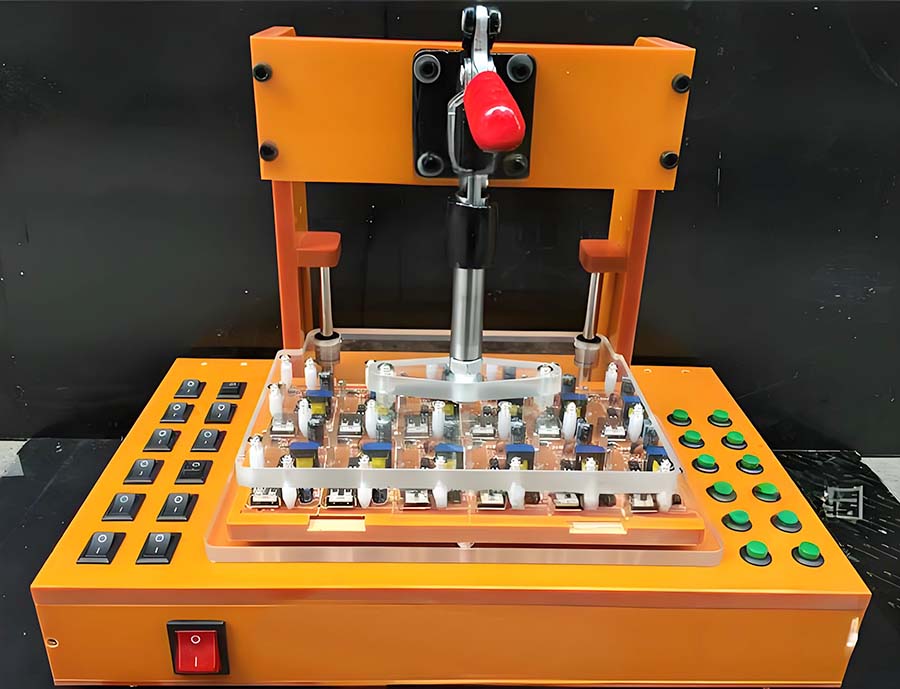
Test fixtures enable rapid and efficient functional verification and electrical testing by securing and connecting key test points on the PCBA. For boards with multi-pin interfaces, high-density components or complex signal paths, the precision and contact stability of the fixture directly determine the accuracy of test data. Any pin misalignment or poor contact may lead to deviations in test results, increasing the error rate in assessment.
2、The Importance of Fixture Maintenance
During prolonged use, test fixtures are prone to mechanical wear, reduced pin elasticity and oxidation of contact components. Maintenance tasks include cleaning contact pins, checking spring force, tightening connecting components and removing contaminants. Regular maintenance extends the service life of the fixture, maintains stable contact impedance and ensures accurate test results in PCBA manufacturing.
3、Principles for Establishing Calibration Intervals
Fixture calibration is a crucial step in verifying and adjusting fixture accuracy. Calibration intervals are typically determined by fixture usage frequency, PCB assembly complexity and production batch size. For fixtures used with high-density, multi-functional PCB assemblies, calibration is recommended monthly or after every fixed batch; for standard interface boards or low-frequency test fixtures, this can be extended to quarterly intervals depending on actual usage. The key is to ensure that after each calibration, the fixture’s contact force, pin positioning and electrical continuity are all within acceptable limits.
4、Calibration Methods and Procedures
The calibration process comprises reference board inspection, pin position deviation measurement, electrical continuity testing and data recording. By using a reference PCBA or standard test board, issues such as pin misalignment, continuity faults or insufficient spring force can be quickly identified. Recording calibration data facilitates the tracking of changes in fixture condition and provides a stable testing basis for PCBA processing.
5、Balancing Fixture Lifespan and Maintenance Costs
Reasonable maintenance and calibration cycles can extend the fixture’s service life and reduce the risk of production line downtime caused by sudden failures. For frequently used fixtures, a phased maintenance strategy may be adopted: daily quick inspections, weekly thorough cleaning and functional verification, and monthly or per-batch calibration. This ensures testing accuracy whilst avoiding increased costs due to excessive maintenance.
6、Integrating Maintenance and Calibration into the Quality Management System
Institutionalising fixture maintenance and calibration helps establish a closed-loop quality control system for PCBA manufacturing. This improves the stability of test data, reduces the rate of anomalies, and controls risks in mass production. Customers can also gain a clear understanding of the level of precision in production management through this process.
Test fixtures serve as the sentinels of PCBA manufacturing quality; should any deviations go undetected, the reliability of the entire batch of products will be compromised. If your production line is experiencing issues with false test results or rework, consider optimising your processes by reviewing your fixture maintenance and calibration schedules. Please feel free to contact us so that we may develop a more scientifically sound test fixture maintenance and calibration plan tailored to your specific PCBA manufacturing requirements.